A Researcher’s Guide to Peptide Categories
An overview of the major categories of research peptides, their mechanisms of action, and key compounds in each class.



An overview of the major categories of research peptides, their mechanisms of action, and key compounds in each class.
A deep dive into how peptide purity is measured, why it matters for research, and how to read a Certificate of Analysis (COA).
Learn the optimal storage conditions for lyophilized and reconstituted peptides to ensure maximum potency and research accuracy.
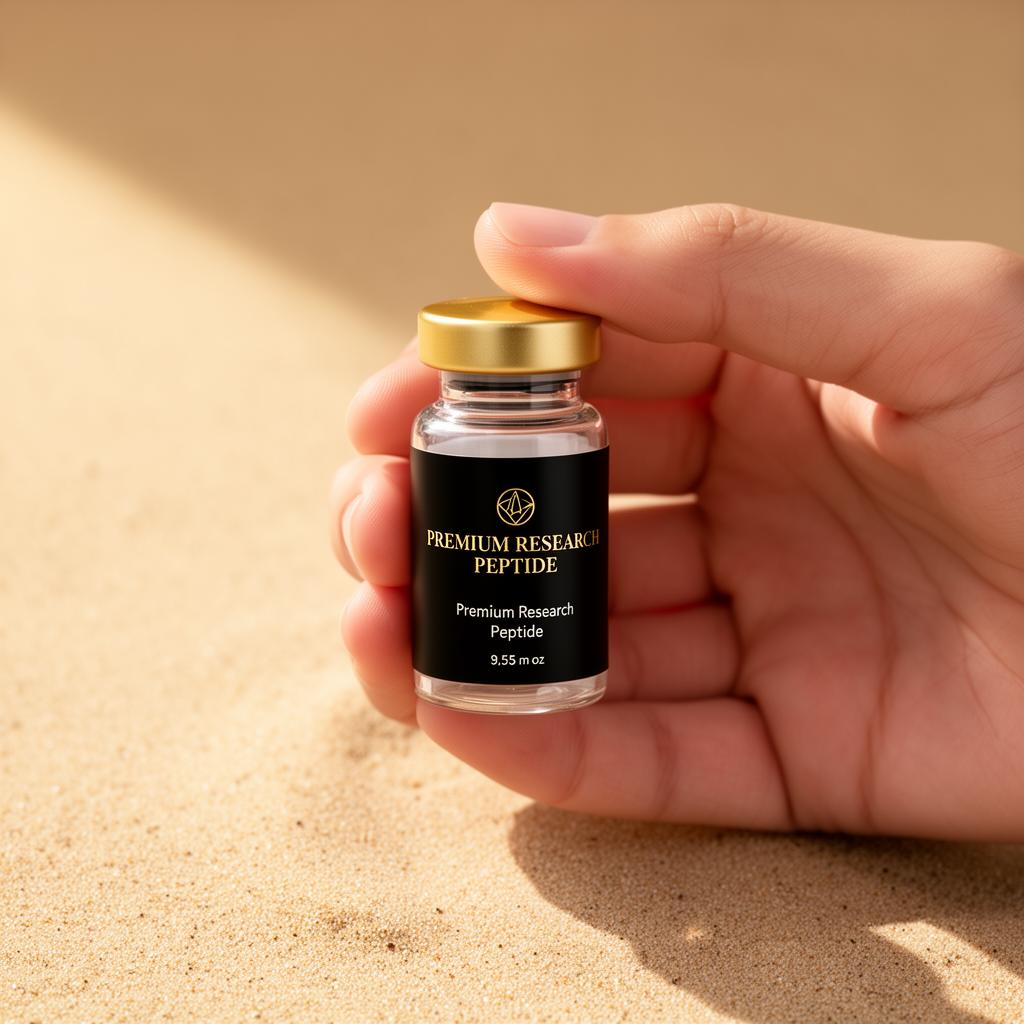
Bacteriostatic water (BAC water) is sterile water that contains 0.9% benzyl alcohol as a preservative. The benzyl alcohol inhibits the growth of bacteria, making it safe for repeated use over multiple withdrawals — unlike plain sterile water, which should only be used once.
Peptides are typically shipped in a lyophilized (freeze-dried) form to maximize stability during transit and storage. Before they can be used in research applications, they must be reconstituted — dissolved back into a liquid solution using an appropriate solvent.
Peptides are typically shipped in a lyophilized (freeze-dried) form to maximize stability during transit and storage. Before they can be used in research applications, they must be reconstituted — dissolved back into a liquid solution using an appropriate solvent.